About the Alhambra
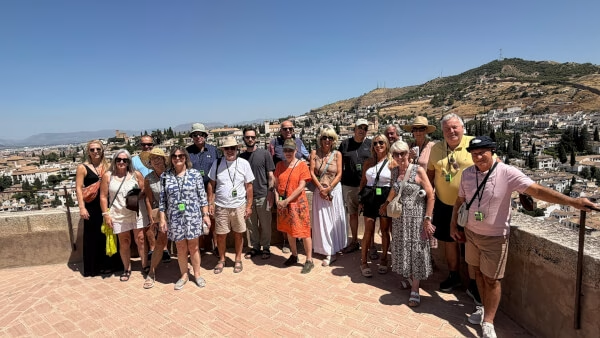
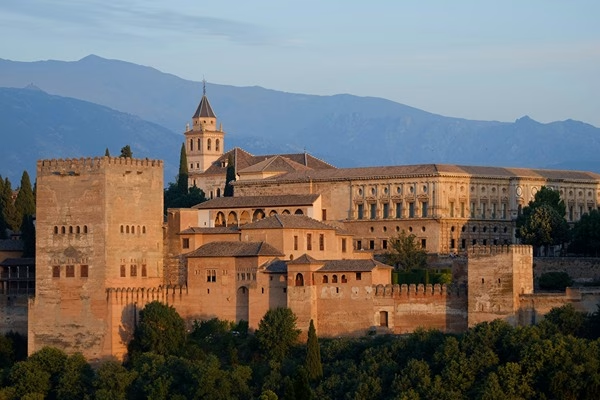
The Alhambra Palace is one of the world’s finest examples of Islamic architecture and the crowning achievement of the Nasrid dynasty, which ruled Granada during the 13th and 14th centuries. Built as both a royal palace and fortified city, its intricate carvings, tranquil courtyards and ingenious water features reflect the wealth and sophistication of Moorish Spain. After Granada fell to the Catholic Monarchs in 1492, the Alhambra became a royal residence, with later additions blending Renaissance architecture into its historic setting.
Today the Alhambra is Spain’s most visited historic monument and a UNESCO World Heritage Site, attracting millions of visitors each year. Its beautifully preserved palaces, the peaceful Generalife gardens and commanding views over Granada make it an unforgettable experience. Walking through its ornate halls and shaded courtyards offers a remarkable glimpse into nearly eight centuries of Spanish and Moorish history.
There are 3 posts that describe our wonderful weekend in Granada:
Our tour
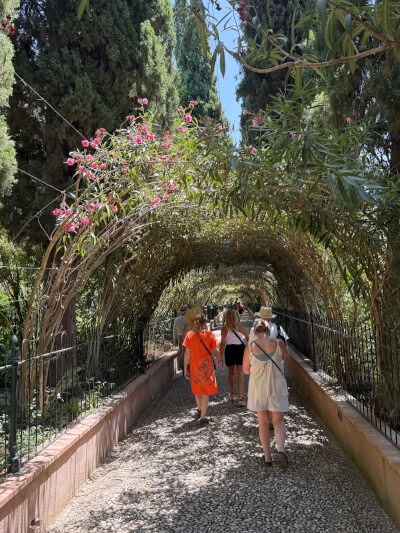
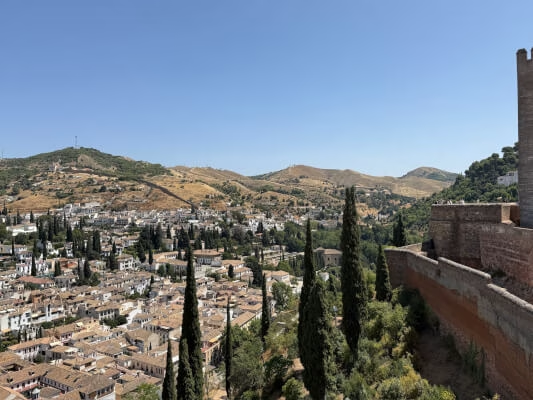
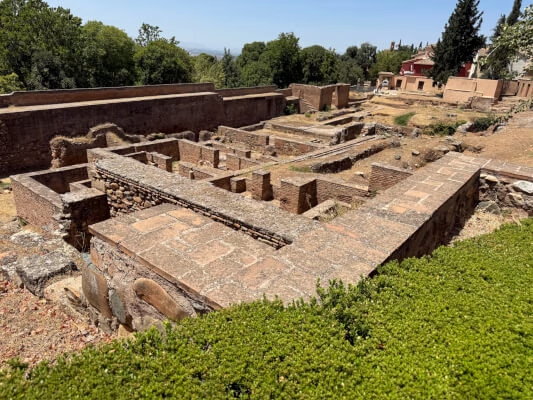
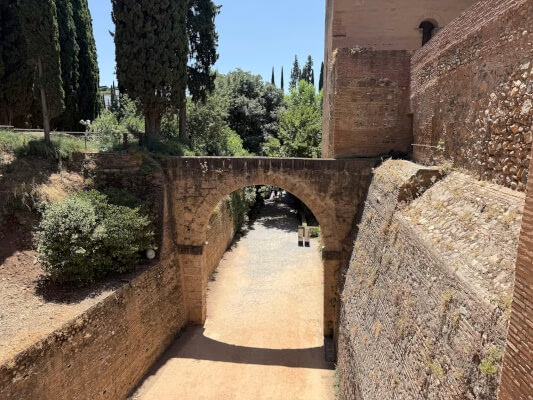
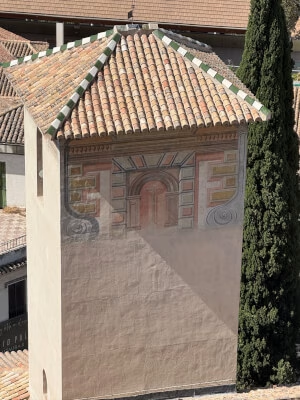
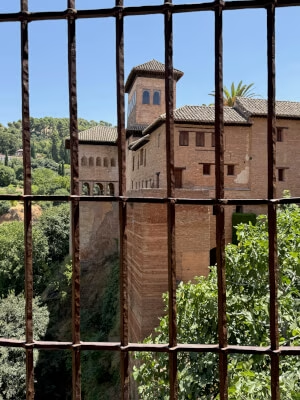
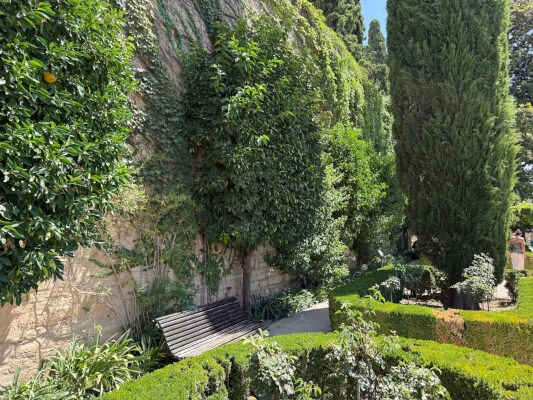
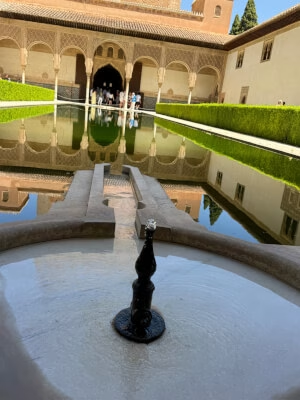
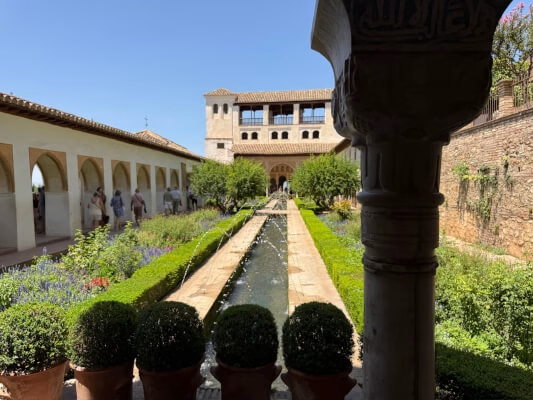
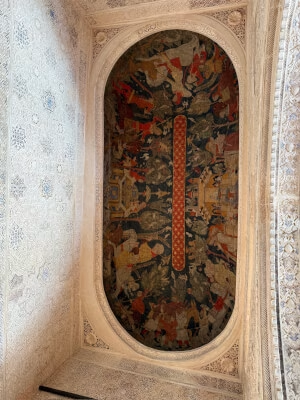
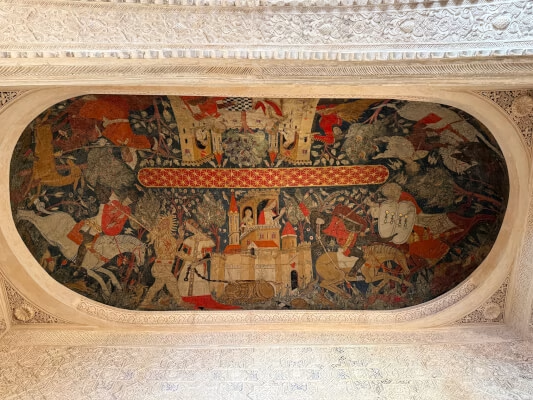
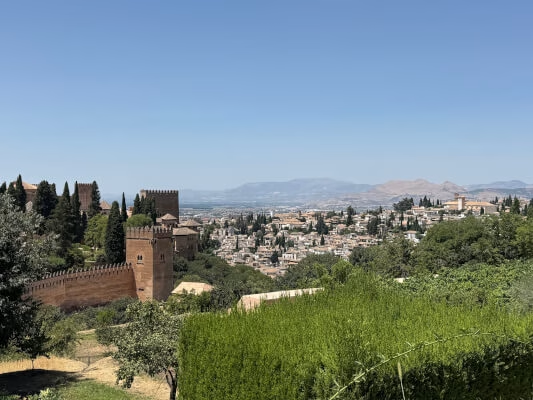
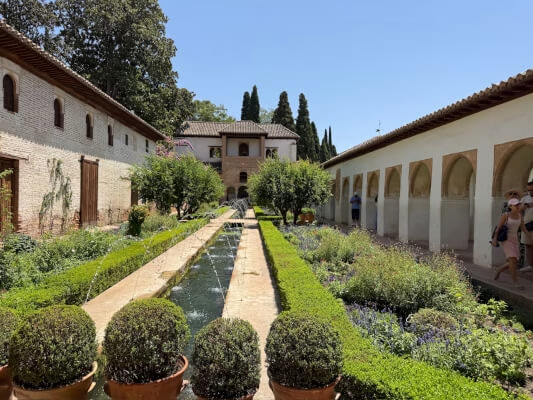
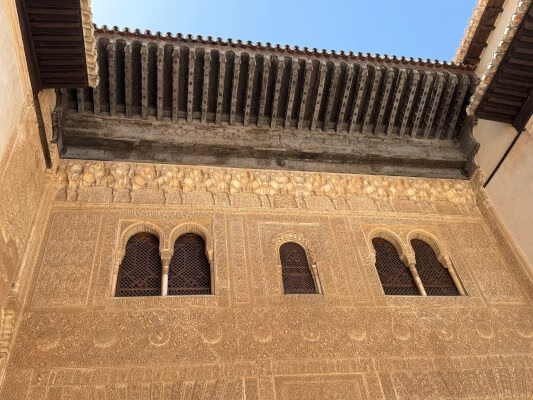
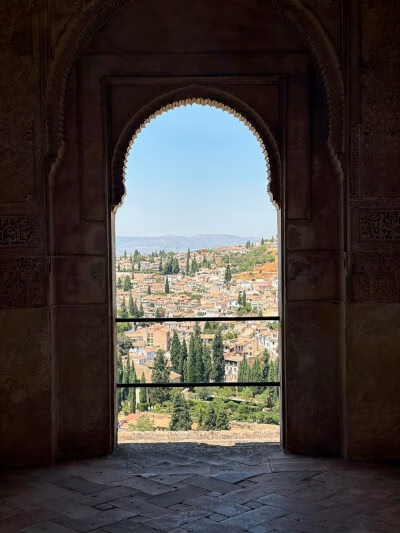
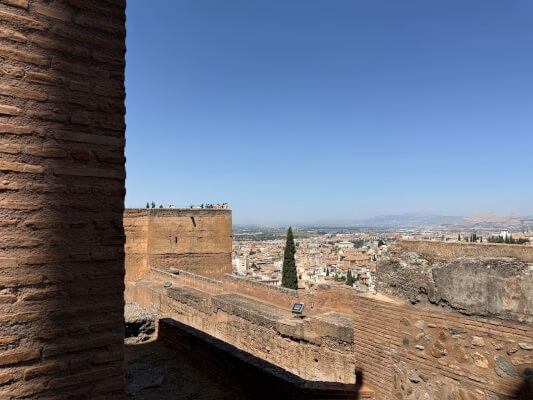
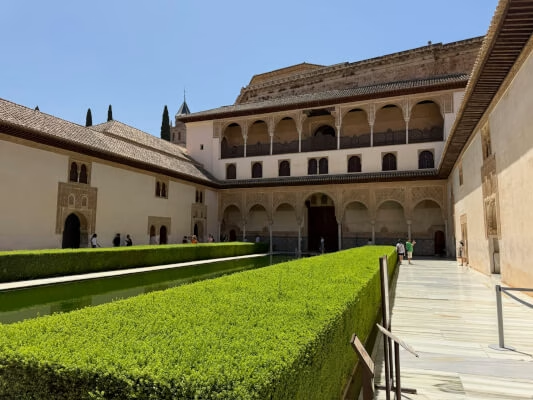
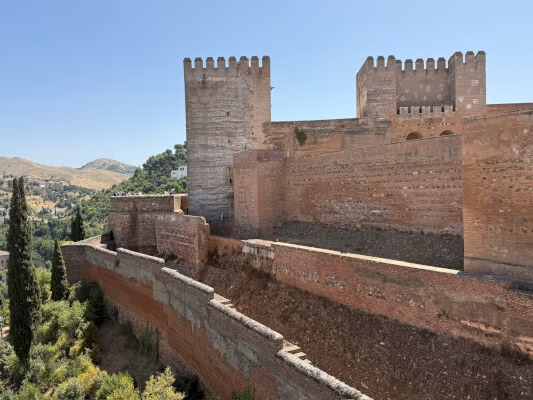
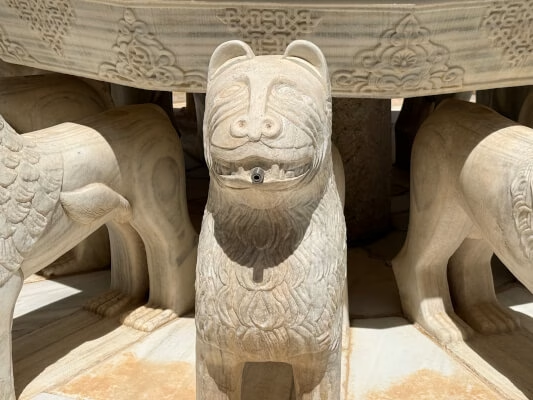
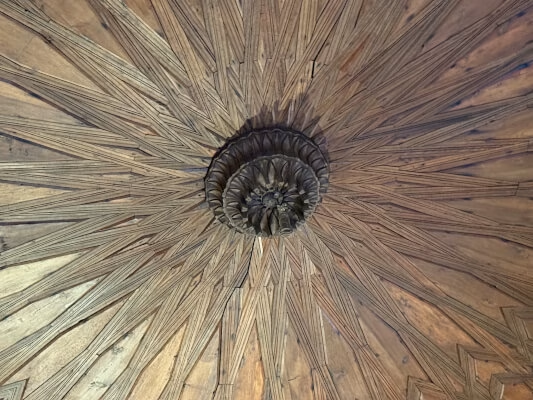
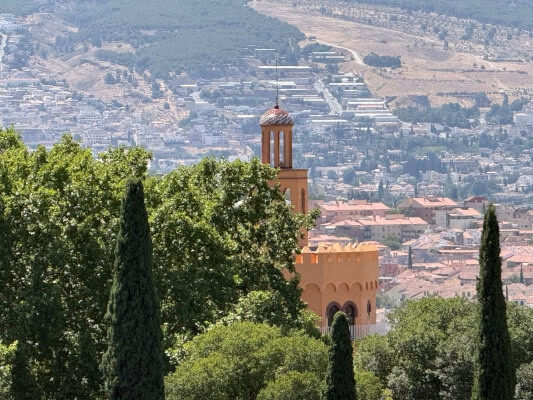
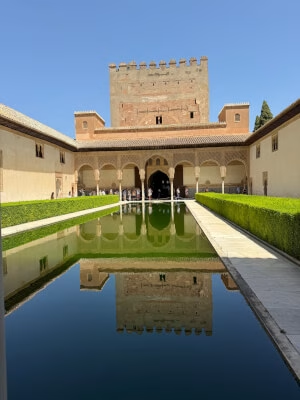
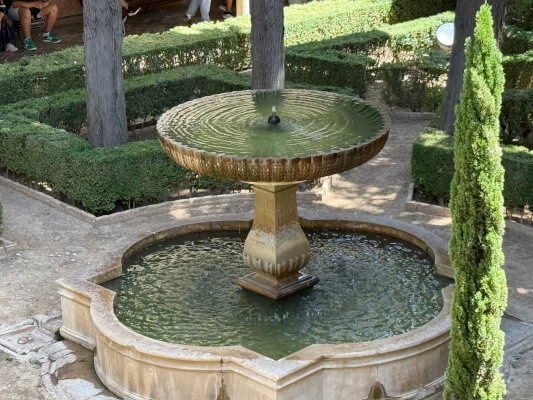
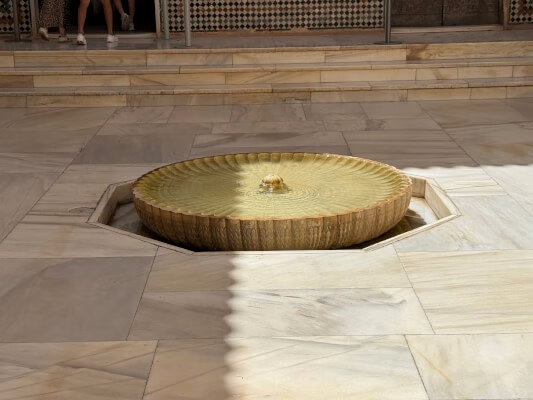
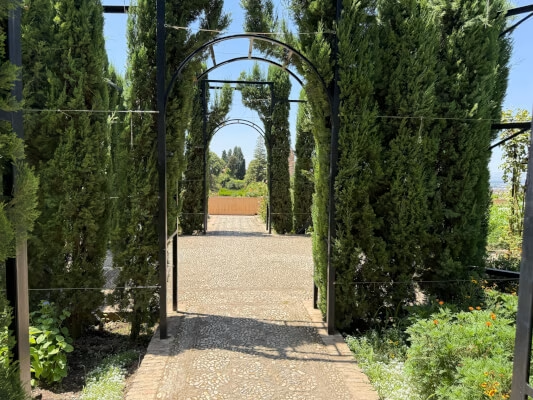
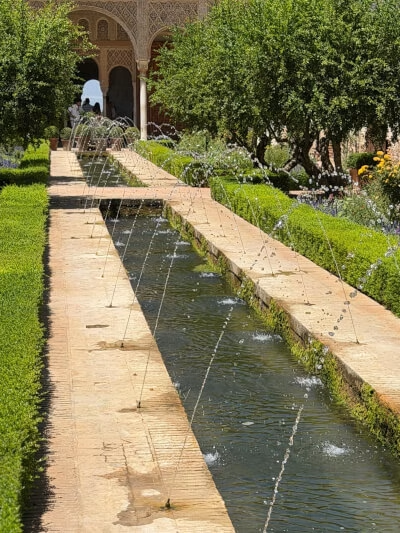
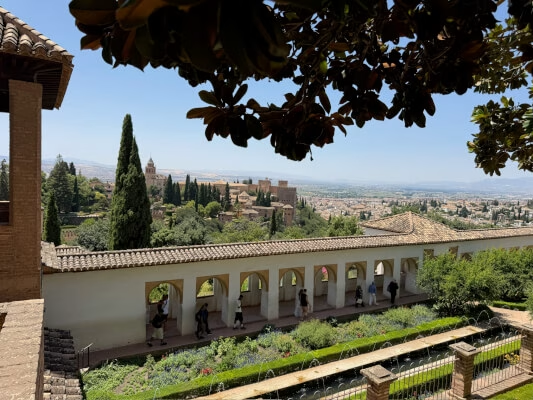
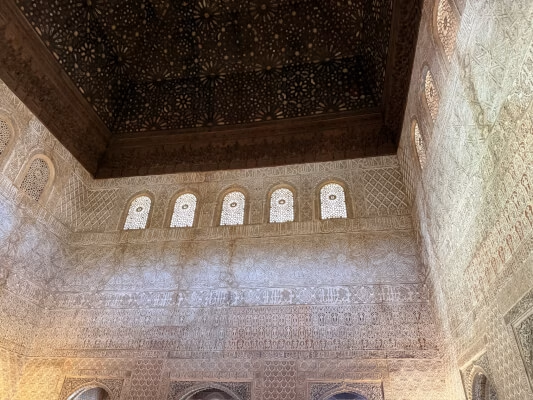
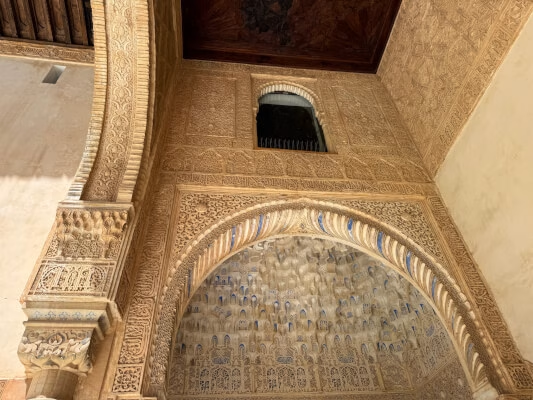
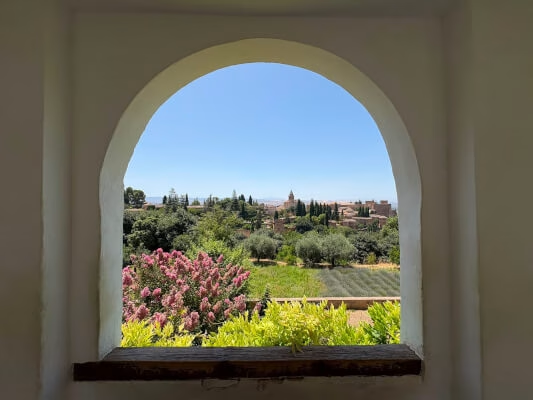
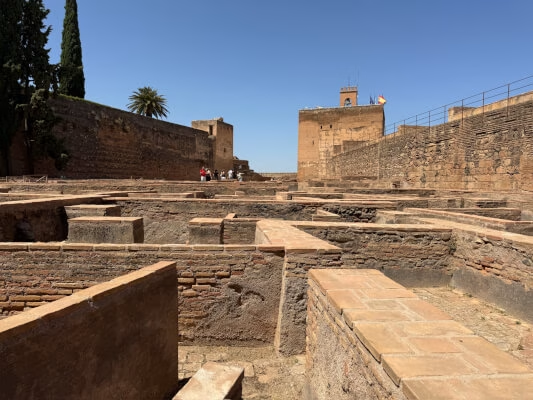
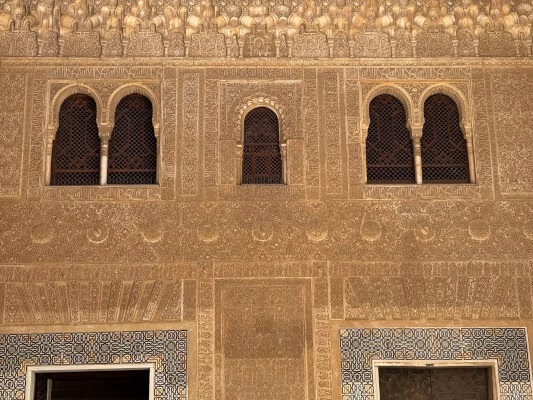
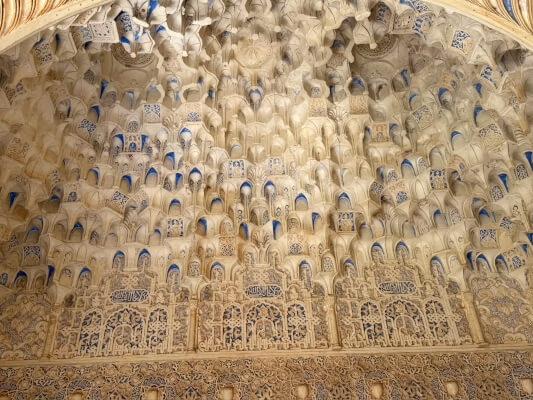
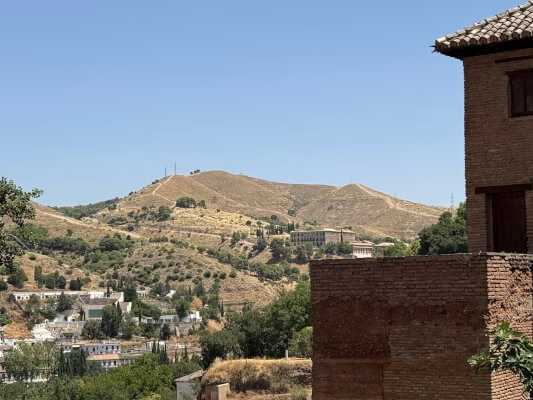
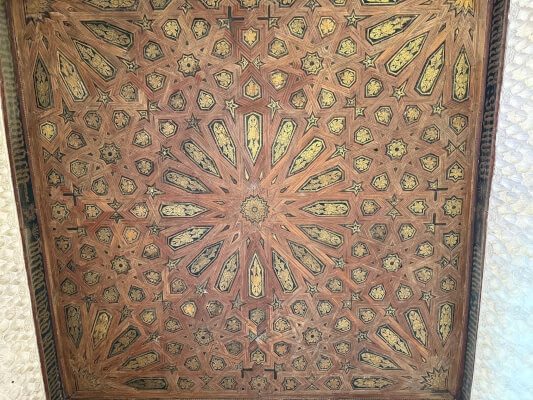
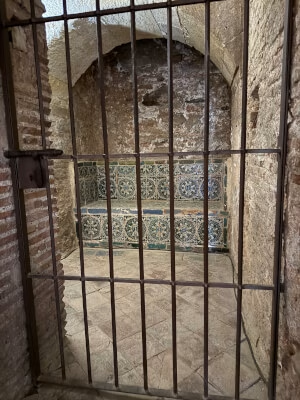
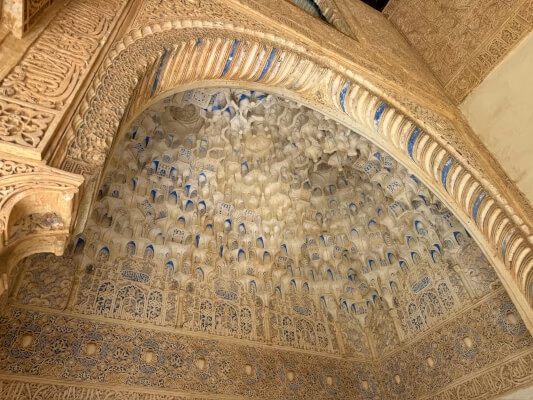
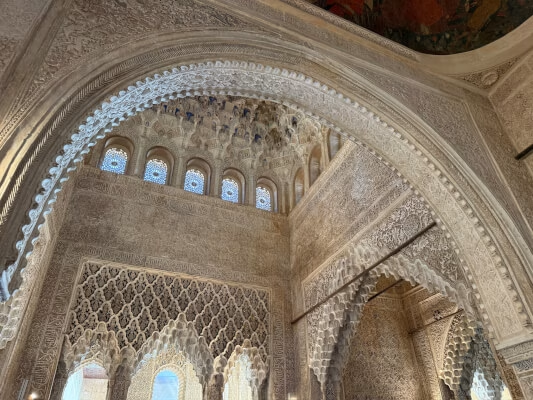
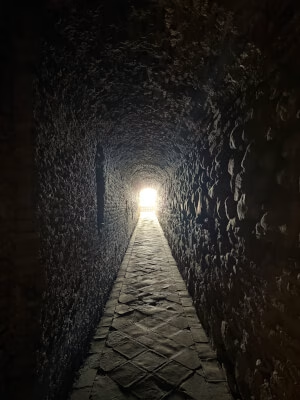
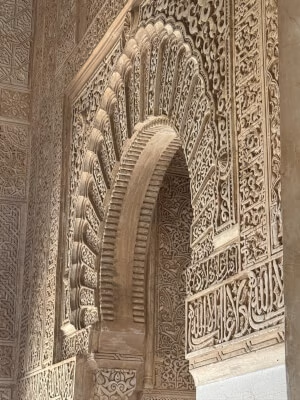
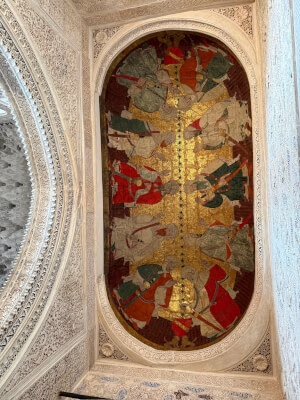
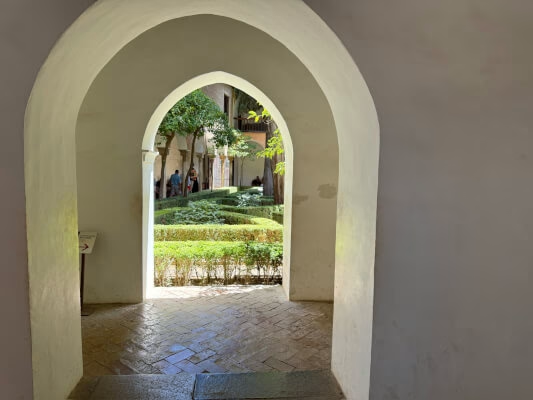
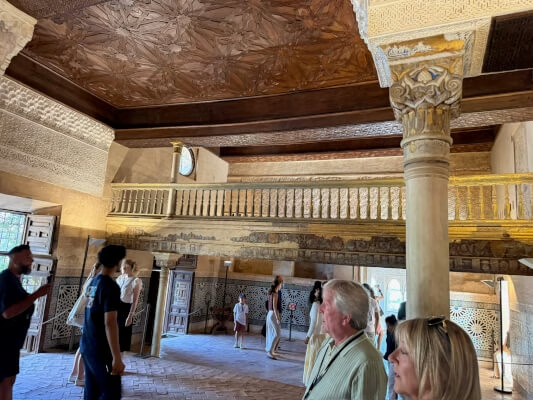
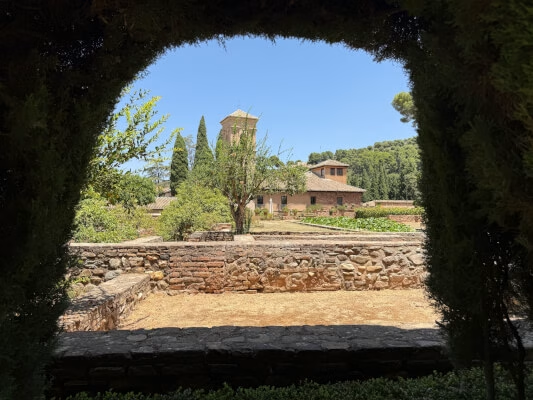
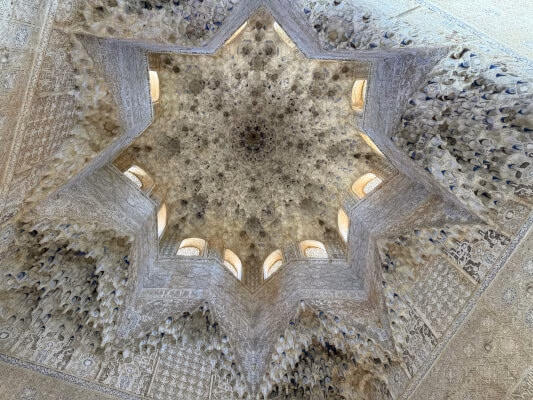
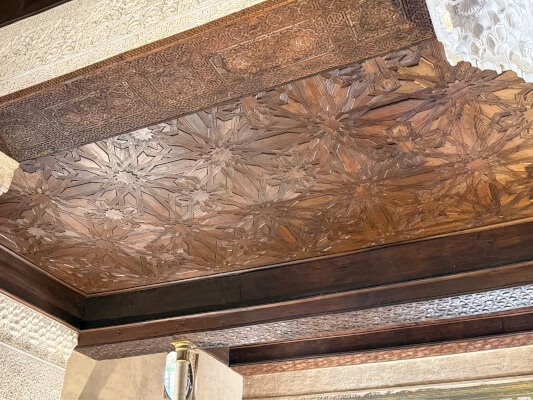
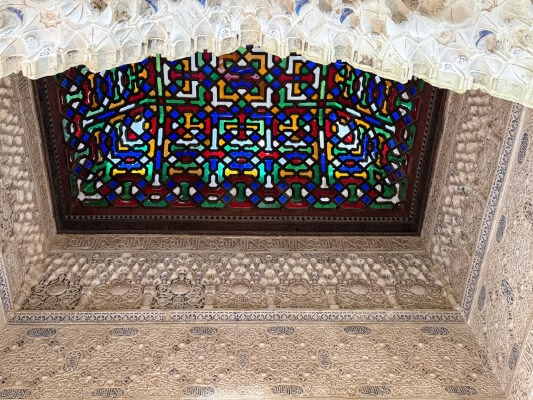
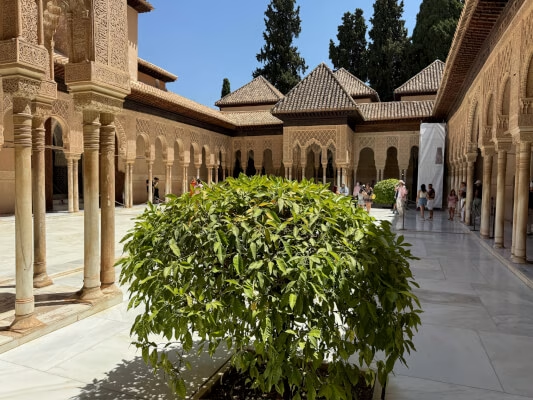
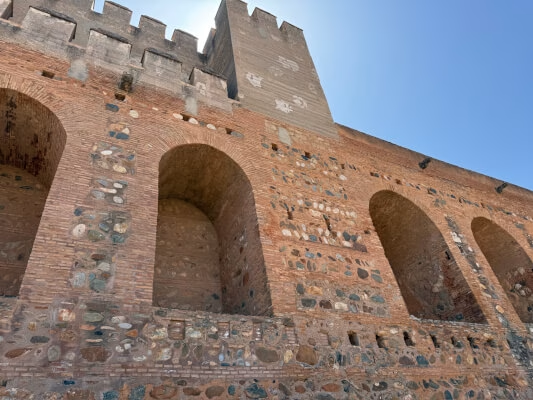
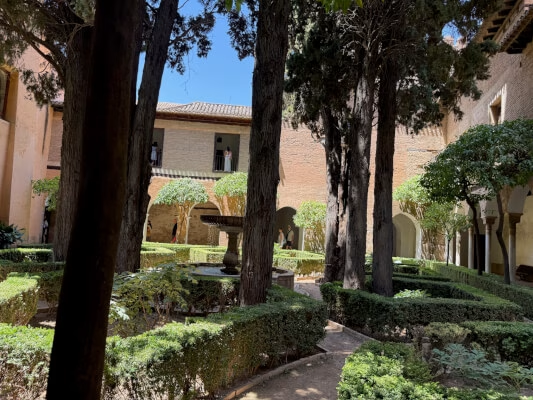
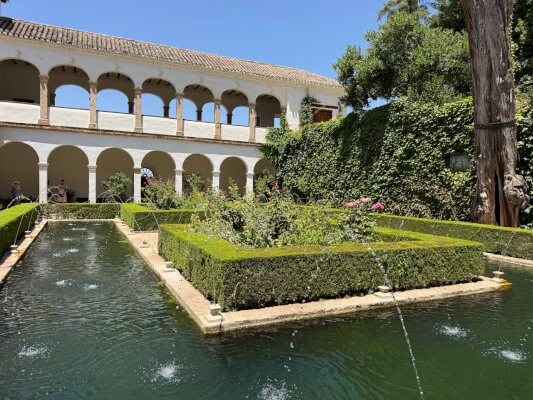
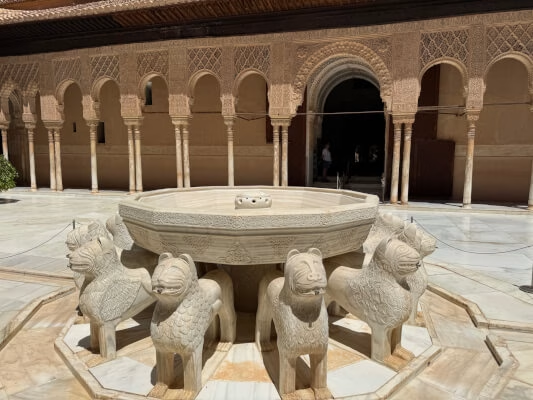
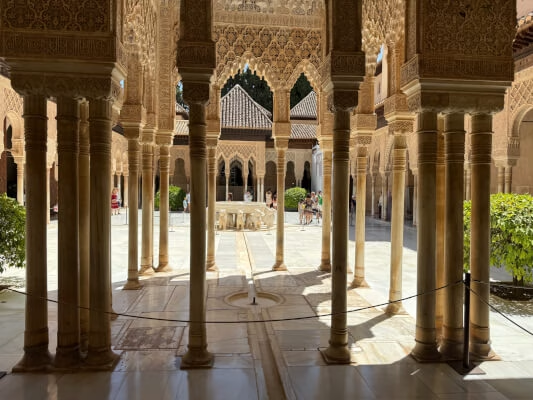
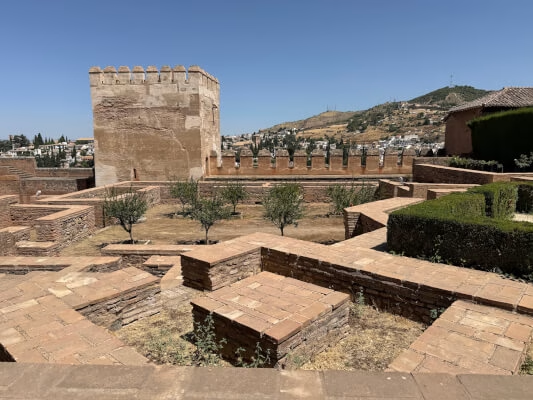
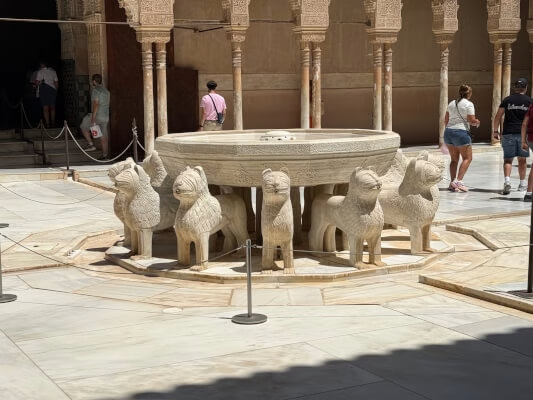
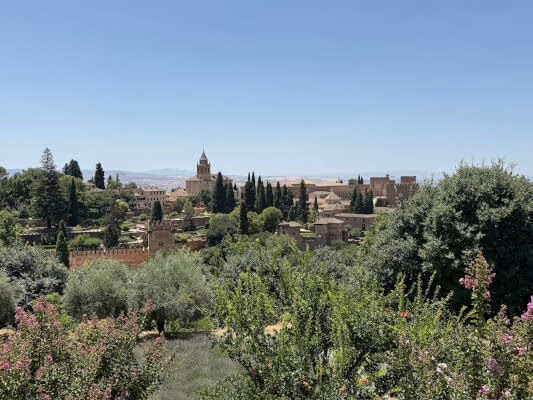
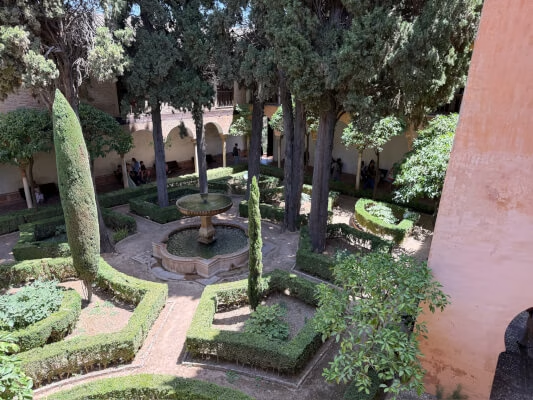
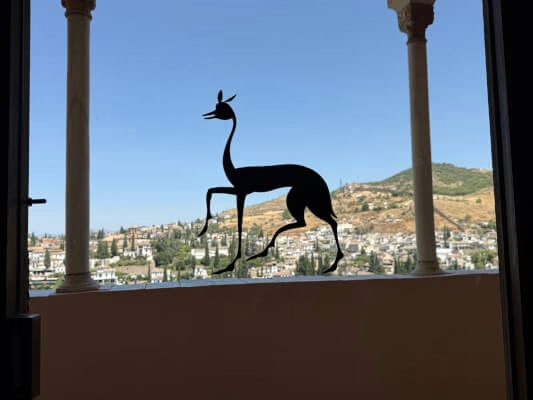
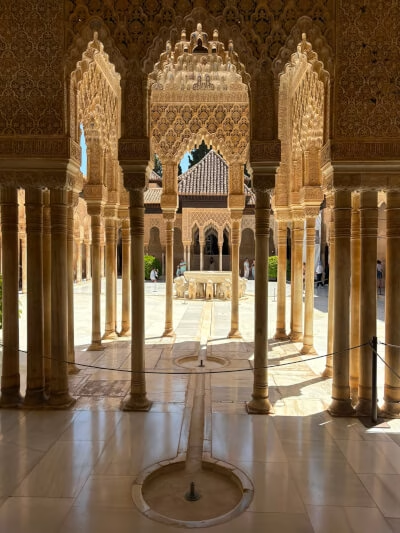
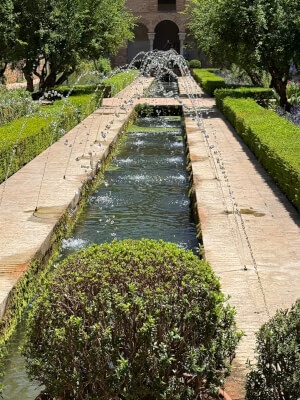
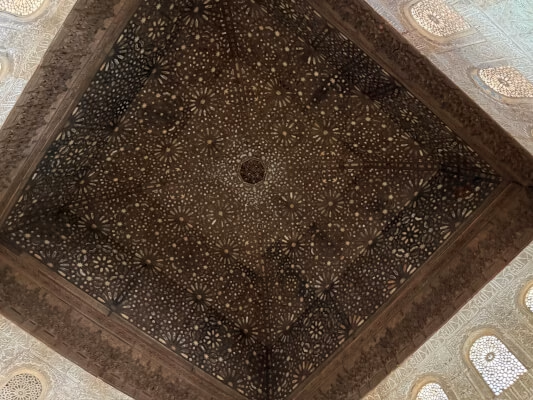
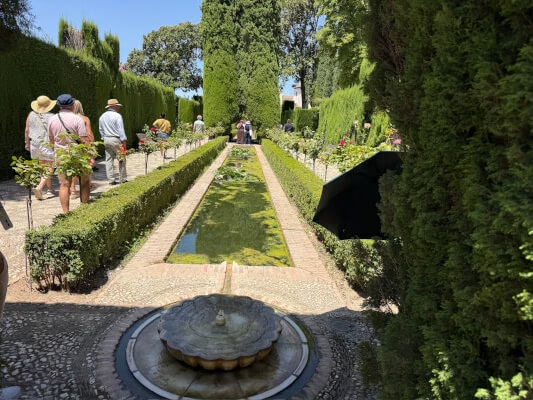
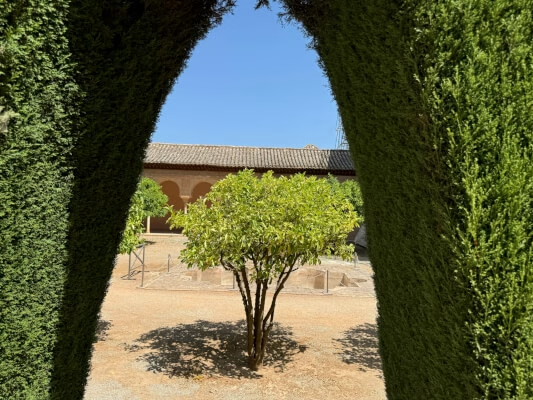
Nikki was more than a little worried about our tour, as to fit it in on the Saturday before the dinner in the evening, we had booked it at midday despite the hotel’s worries, ‘its going to be very hot’. However, the sun gods were smiling on us it seems, as although it was 42 degrees when we arrived in Granada on Thursday, by Saturday the temperature had dropped to a much more pleasant 35 or so, and with low humidity, the heat was manageable.
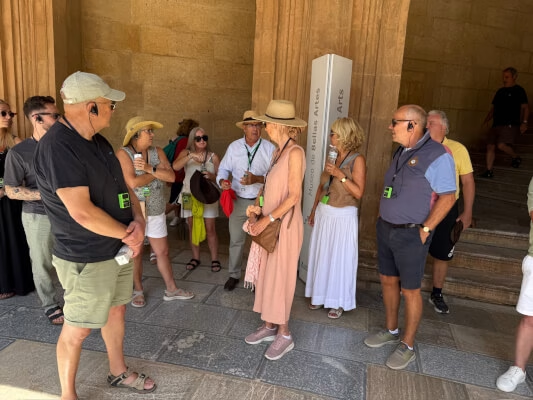
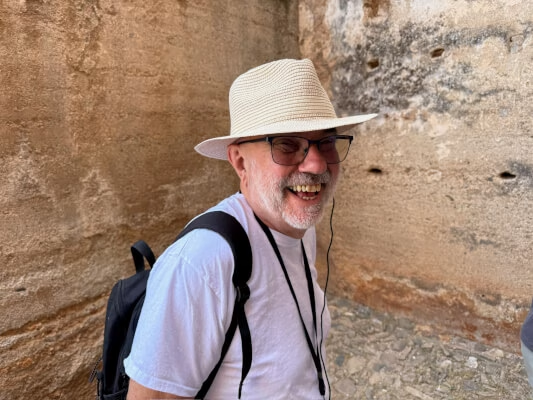
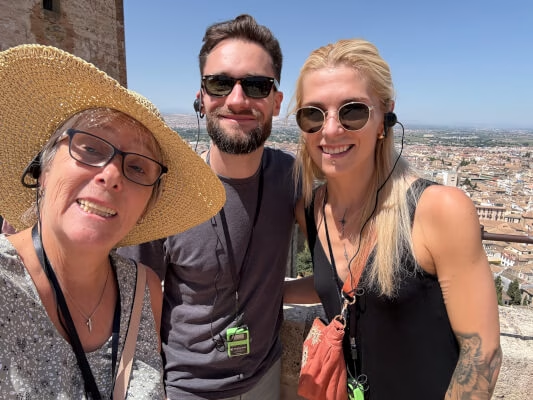
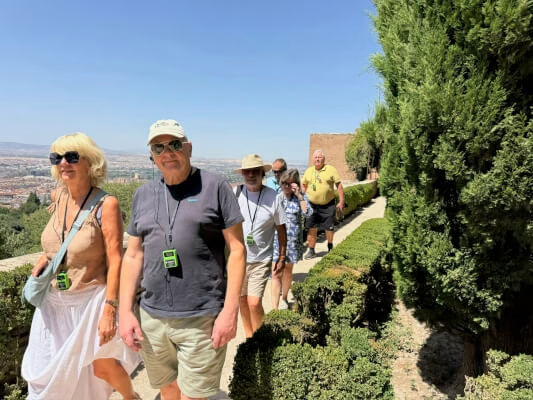
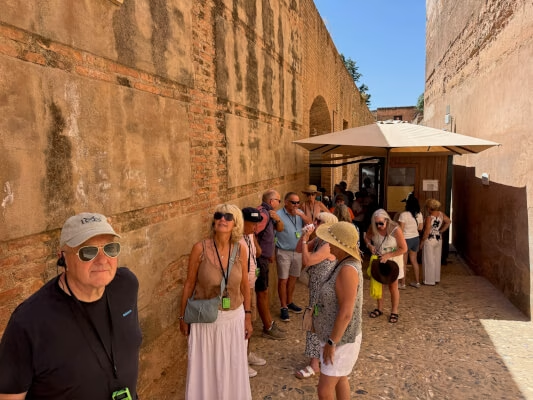
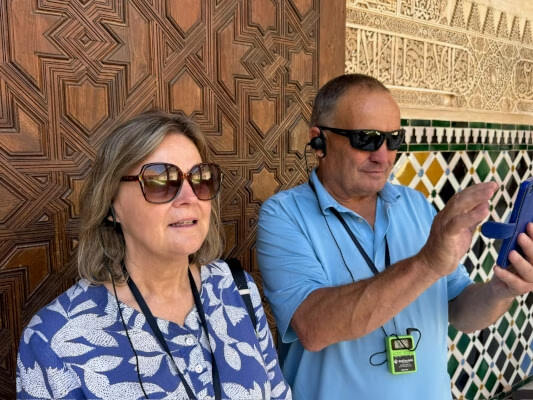
We had already booked our tour guide, Enrique (no relation to Iglesias although it made his name more easy to remember), and we all met up in the hotel reception where we were handed lanyards and audio equipment and off we set for a short walk from our hotel to the entrance.
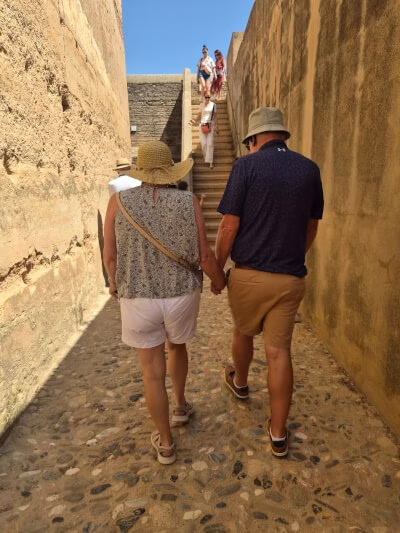
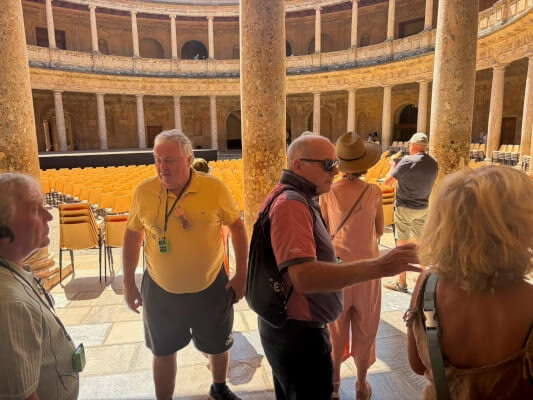
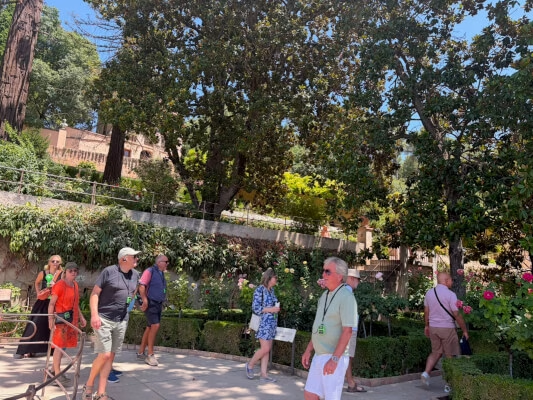
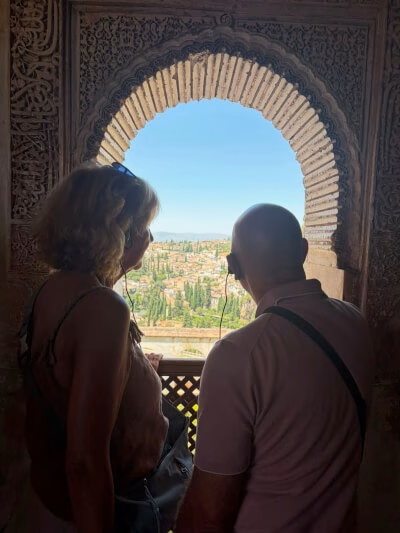
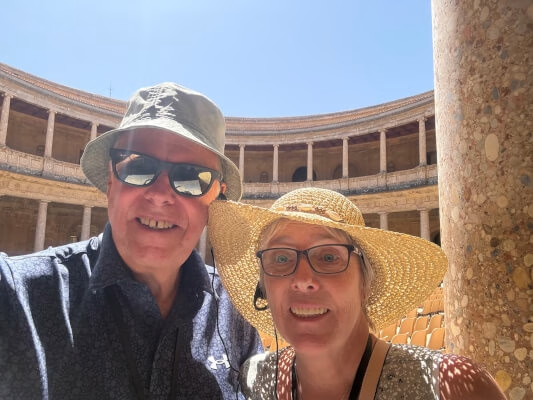
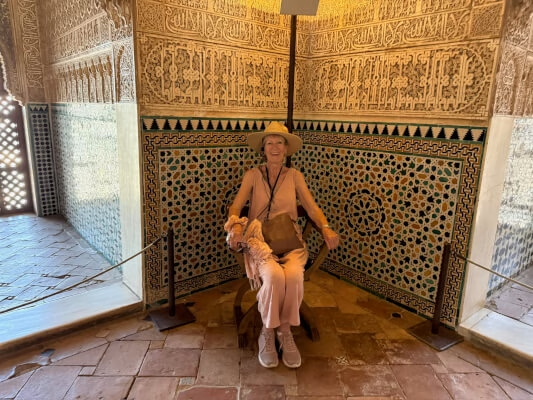
There followed a whirlwind 3 hour walking tour around the numerous palaces listening to Enrique explain the history behind this amazing place, and until then we hadn’t appreciated just how huge the place was covering 26 acres in total, and no we didn’t walk around all of it (phew).
Enrique was full of interesting facts, and clearly was not a fan of Napoleon who he mentioned several times. Napoleon had been using the palace as a barracks during the Peninsular War, and just before his withdrawal in 1812 had placed mines packed with gunpowder throughout the complex. He only partially succeeded in his wish to destroy it, being thwarted by the local residents and one particular soldier, Jose Garcia, known as the Lame One, who disobeyed orders and flooded the charges before they could detonate, saving the majority of it.
Interestingly, there are still some people who live in the palace grounds having held onto their properties over the generations. They cannot sell them, but under squatters rights can hold onto them and pass them down to the next generation, or return them to the government. There are also two hotels in the complex, a one star called Parador de Granada, which apparently is luxurious despite its very small rooms, and the Hotel America.
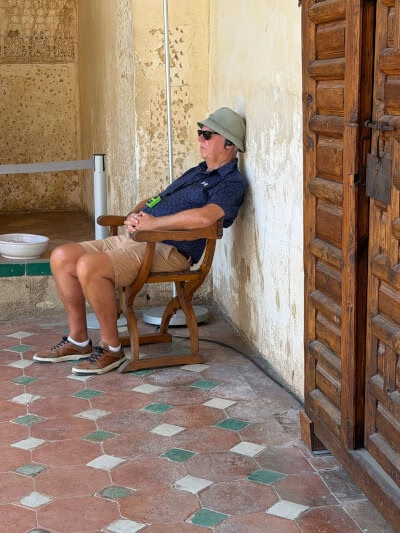
We had a fabulous tour, although we had lost a few along the way, preferring to sit it out in the shade (can’t say I blame them) and at the end we said goodbye to Enrique before finding the nearest bar for some well earned refreshments.
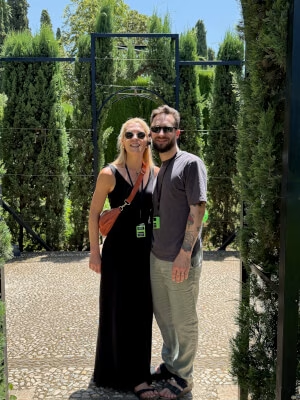
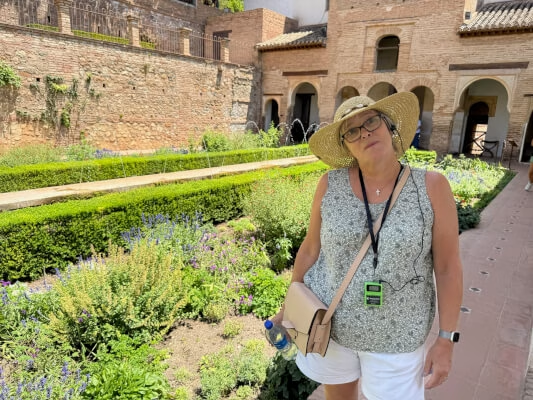
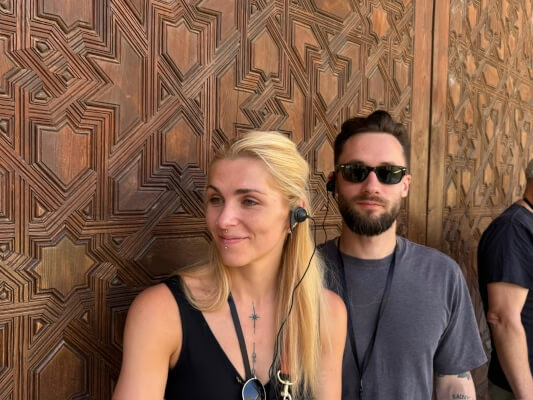
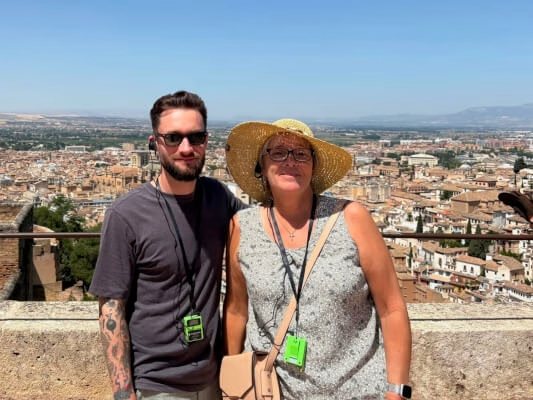
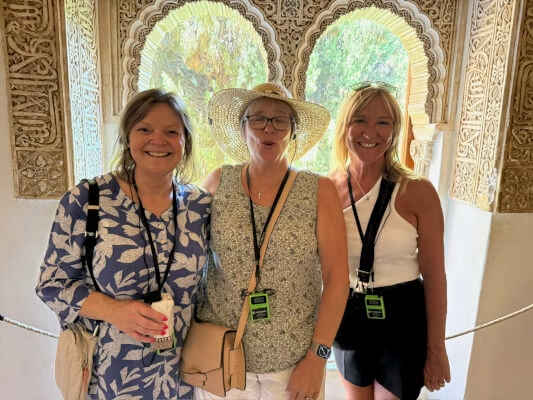
We think this tour is more about picures than words, but if you want to know more click on the link above to visit the Palace on Wiki.