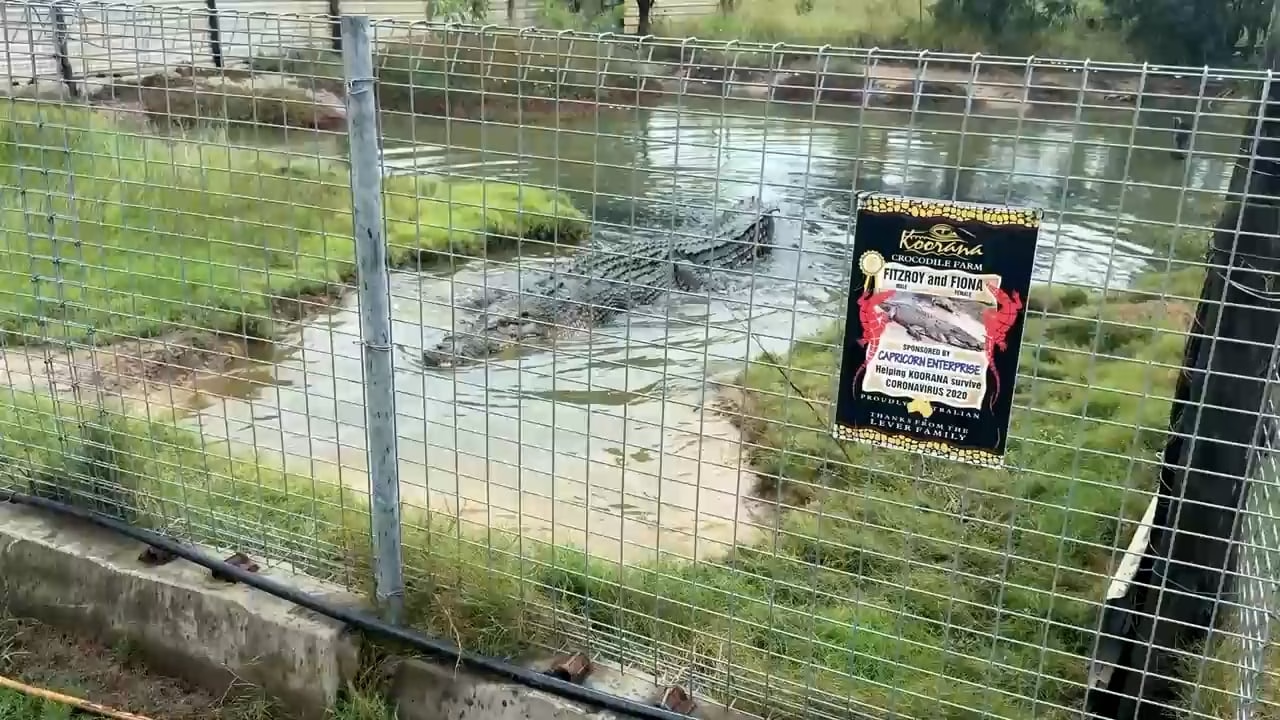
About Koorana
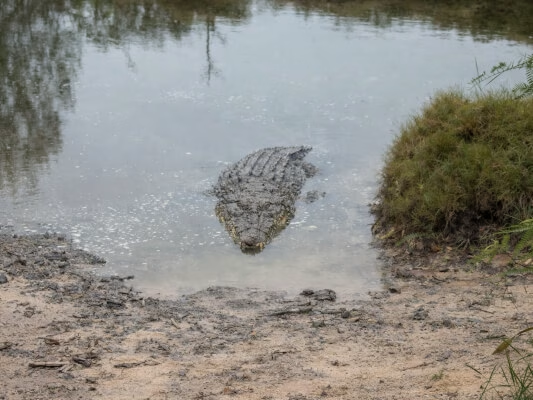
Koorana Crocodile Farm was established in the 1980s along the Fitzroy River near Rockhampton. It became one of Australia’s first commercial crocodile farms, breeding saltwater crocodiles both for conservation and for sustainable crocodile products.
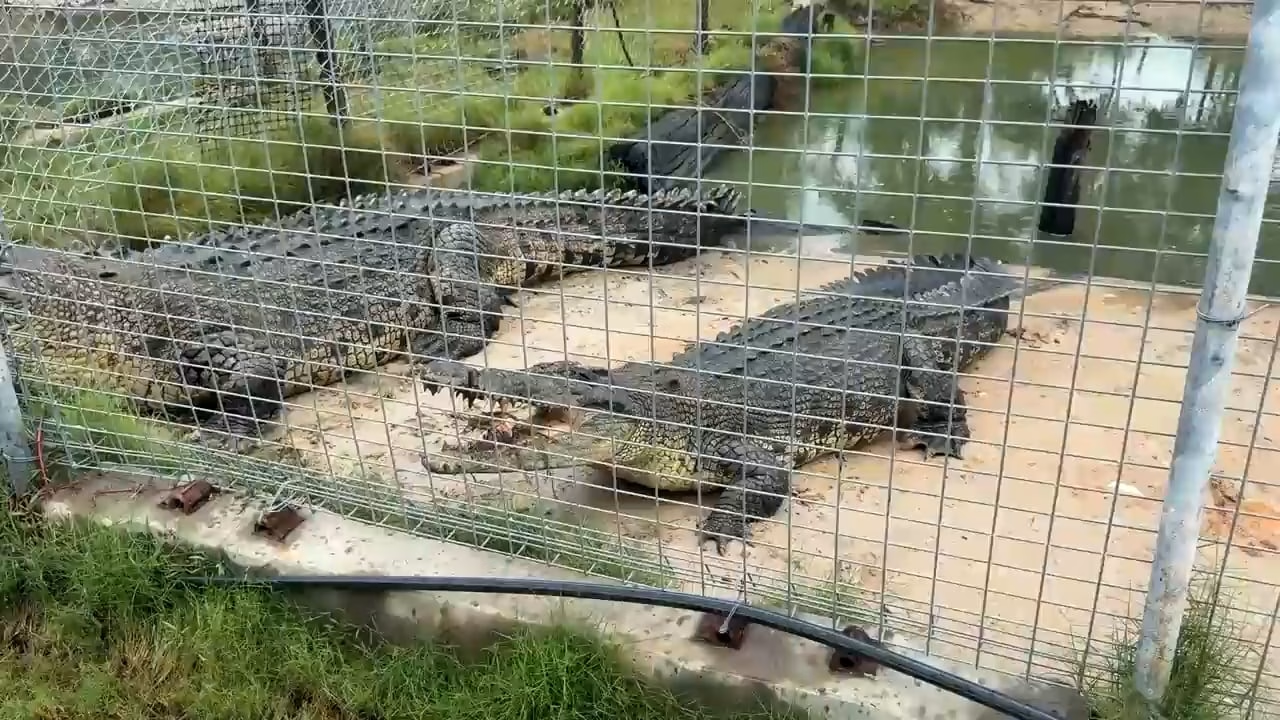
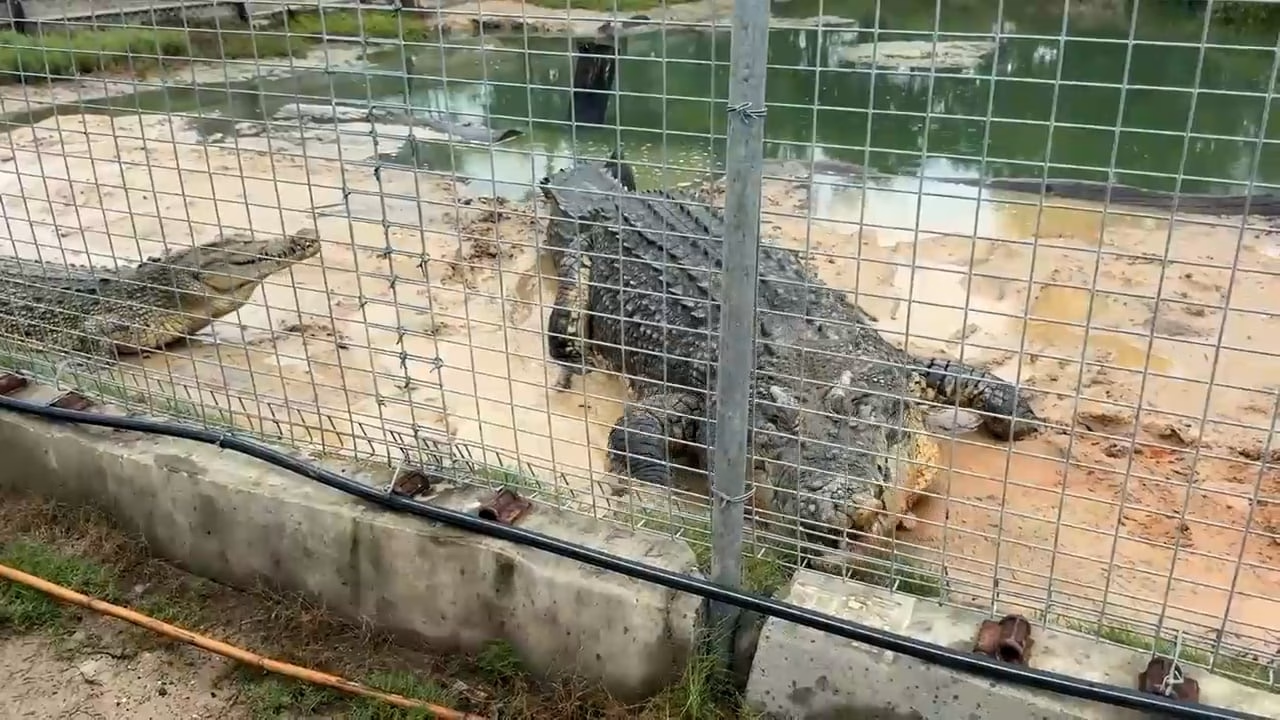
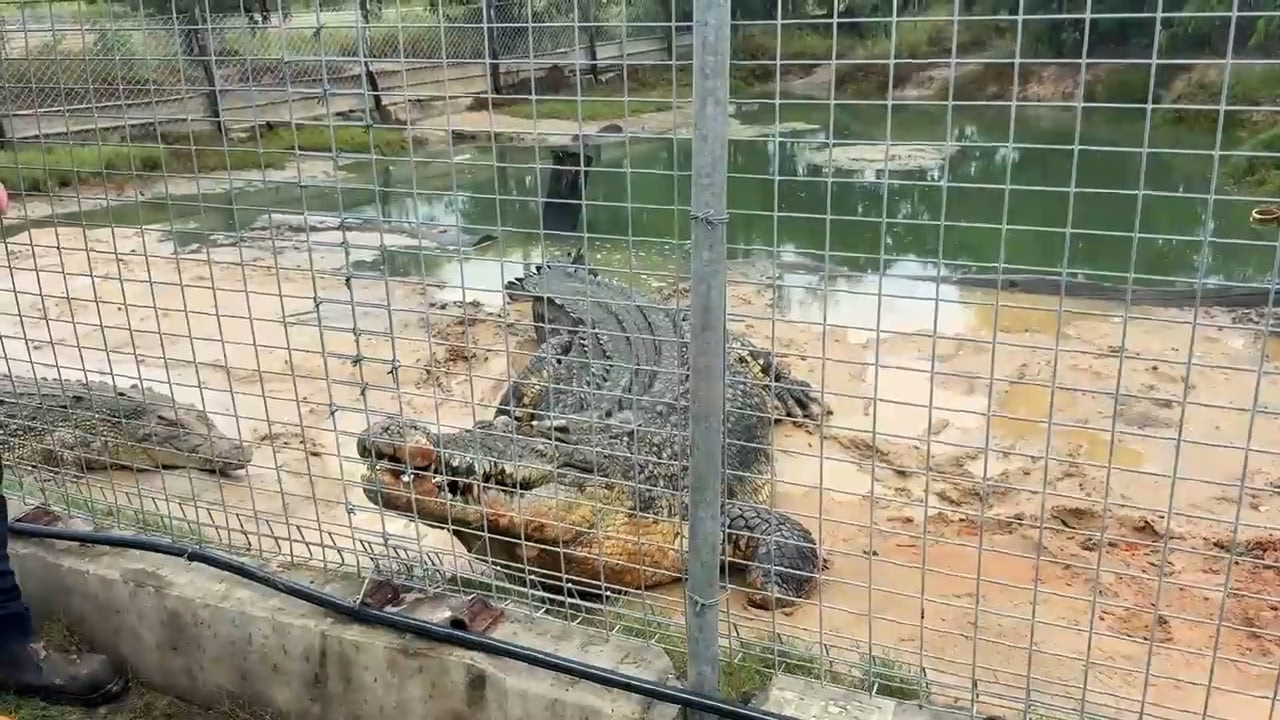
Today the farm is home to 3,000 crocodiles of all sizes, from hatchlings to enormous adults. Visitors can see feeding demonstrations, learn about crocodile biology, and get a close look at one of Australia’s most formidable reptiles — safely from the other side of the fence. 🐊
Freshwater & Seawater


A saltie will eat you up, and a freshwater will spit you out
Tour guide
While, as their names suggest, it is the salinity of the water that is the major differentiation between the 2 types of crocodile, it is something of a fallacy.
While freshwater crocs only live in freshwater, salties actually thrive in both fresh and salt water.
Salties have a gland that absorbs the salt in sea water, but this gland has to be regularly flushed, and to do so requires fresh water. Salties need to spend a minimum of 20% of their life in freshwater to achieve this.
Salties are the far more aggressive of the two, and will eat any sort of flesh including, of course, humans. Freshwater crocs are far more passive – indeed our tour guide regularly cleans out a pair of freshwater crocs pen, and they will swim around his legs quite happily, and to an extent he plays with them.
Our tour
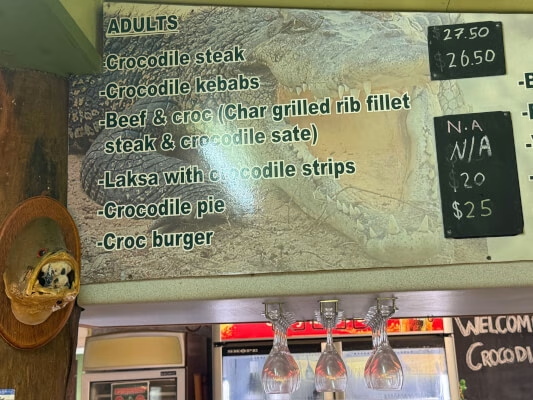
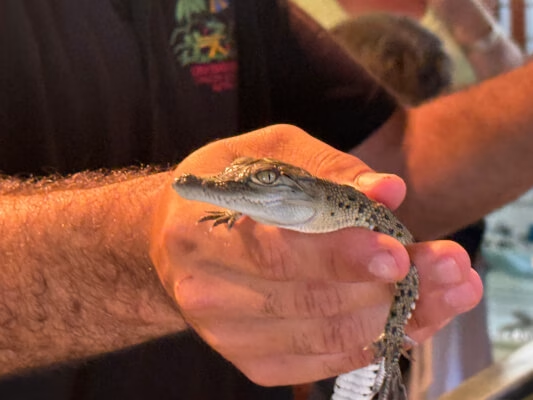
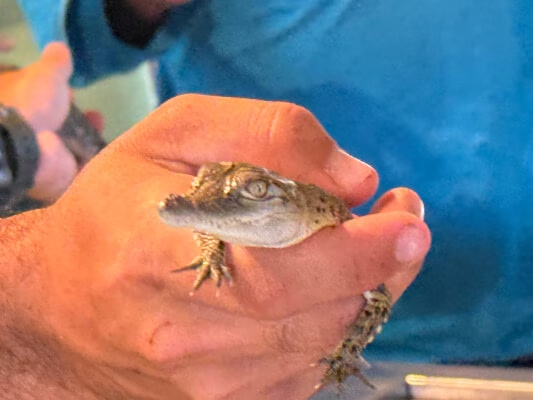
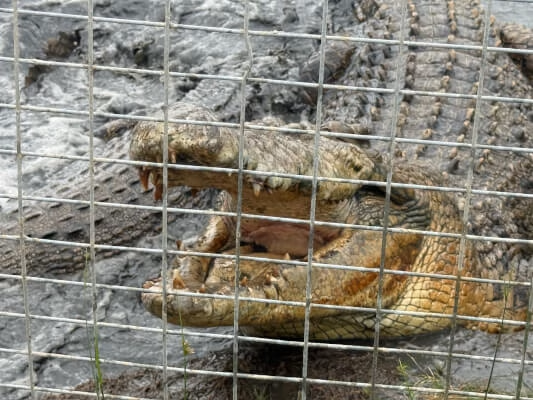
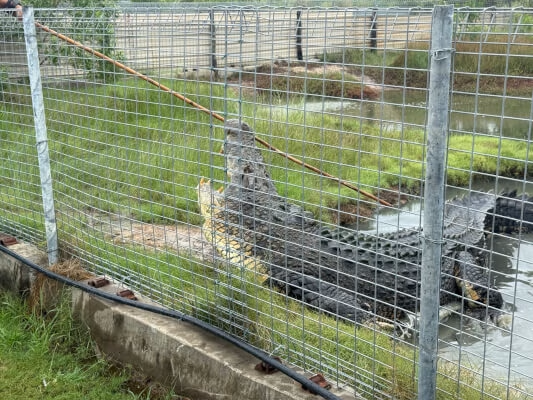
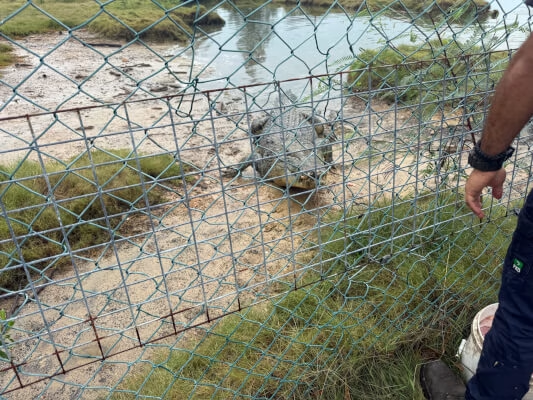
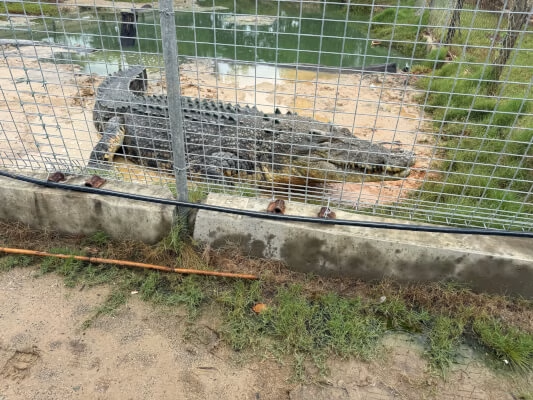
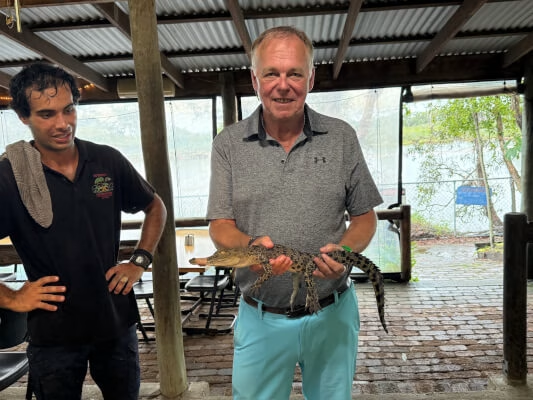
Before out tour started, Steve had a chat with a member of staff who in fact, turned out to be our guide (sorry, can’t remember your name), in order to understand why they were called a “farm” which seemed disingenuous.
In fact they actually farms crocs. It was all part of a scheme to reduce hunting of crocs because their numbers were in rapid decline. By licensing farms like Koorana, it was illegal to hunt crocs and they could therefore continue to supply product with an illegal black market being avoided. Since this was introduced, croc numbers in the wild have greatly recovered.
The principal product is croc skin, used in luxury goods. A small amout of meat is produced, and any excess is used in the farms own cafe (see menu).
Fun fact – one of the lagest croc farms is in the Northern Territory and has 10, 000 crocs – and it is owned by Luis Vitton.
We start our tour with a briefing from our guide, where he introduces us to a 1 week old saltie – very cute at this age, but we are not allowed to touch for fear of spreading disease from our hands – he told of a woman on a tour who ignored his instruction, stroked the baby and it was dead within a day.
We moved outside where thankfully the rain had relented temporarily.
There were young children in our group, and for some reason you couldn’t take your eye off them as the guide explained crocs can attack at the most opportunistic of moments.
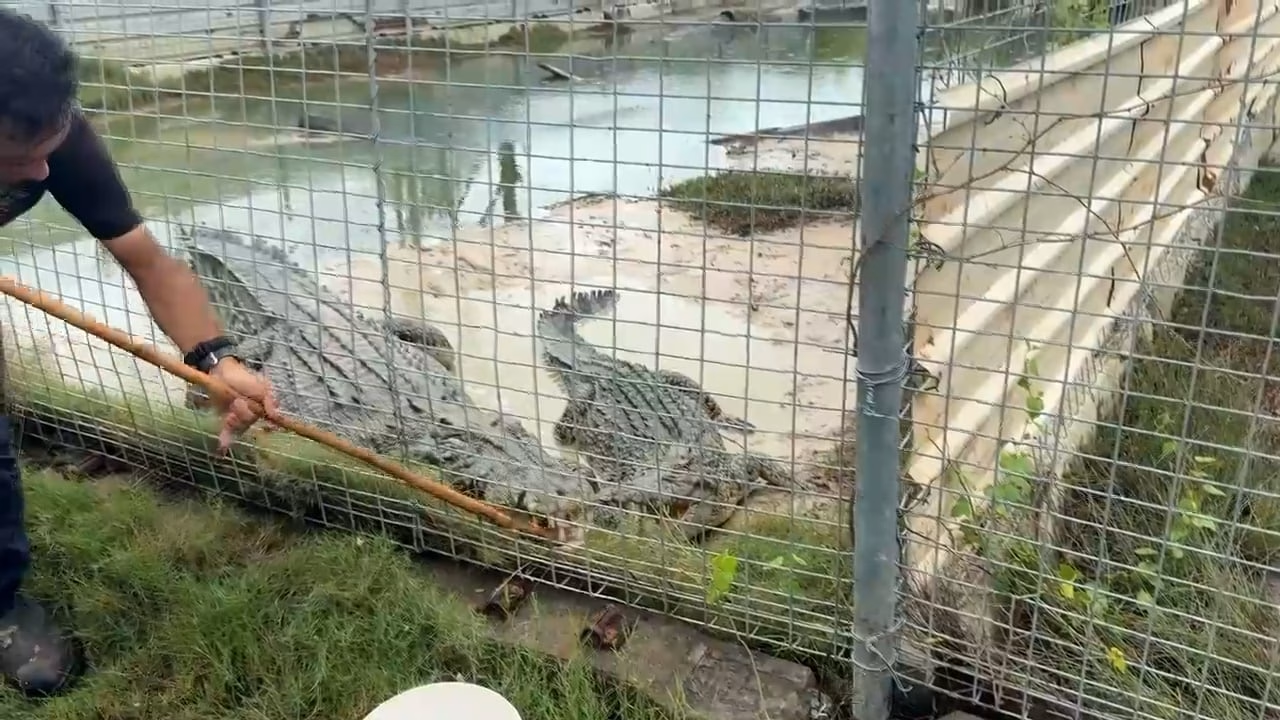
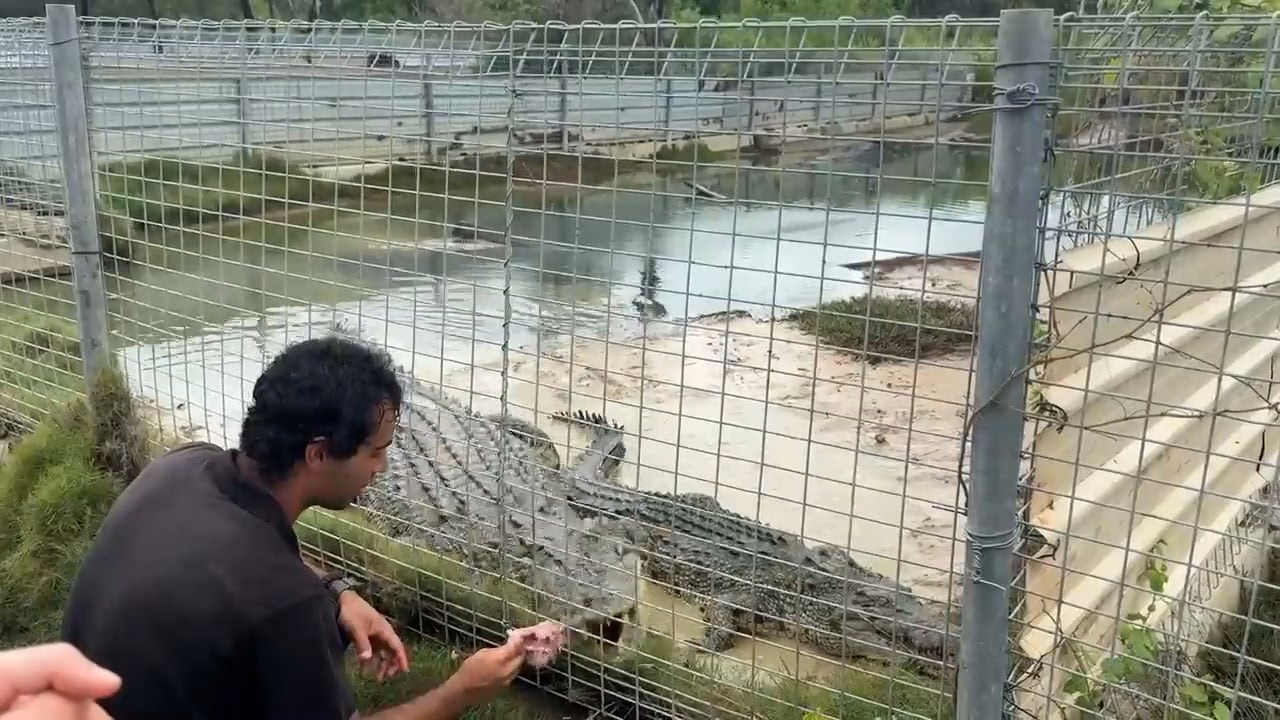
The guide took us around various pens, feeding chunks of chicken to get the crocs to come and perform.
These crocs have all been captured in the wild, and due to the law are re-homed and not killed. In fact the farm is not allowed to kill them for product, so they will live out their natural lives.
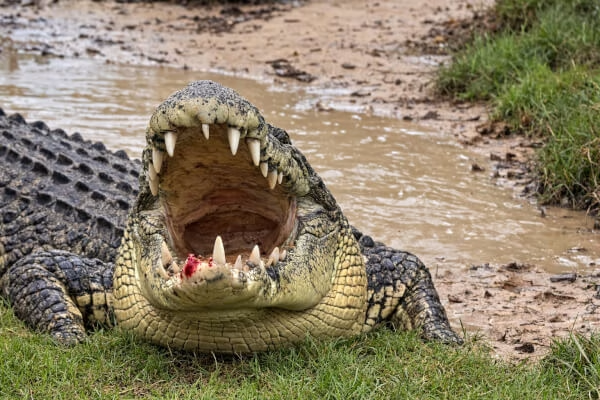
As we progressed, the crocs got older and bigger. The best bit was when the guide noticed a spot of blood on one of the crocs teeth, and used his stick to knock it out as it would have been aggravating the croc. It seems this is a regular thing, and crocs have a replacement tooth already growing behind, which he pointed out to us on the dislodged tooth cavity.
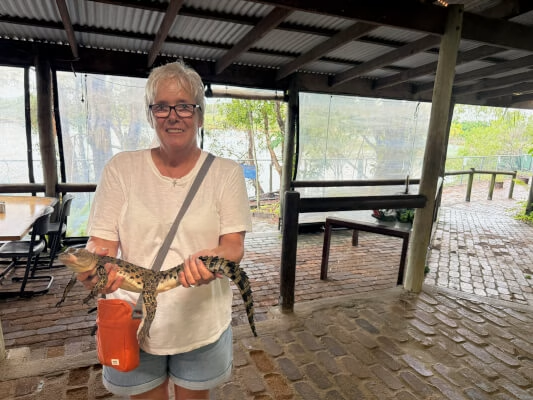
As you can see from the pictures, the tour finished with a 6-month old croc being available for photo opportunities. Steve is no fan of animals, but even he had a go.
All in all it was an interesting couple of hours. An no, we did not try any of the menu.
As we drove out of the gates, the rain resumed its now familiar course.