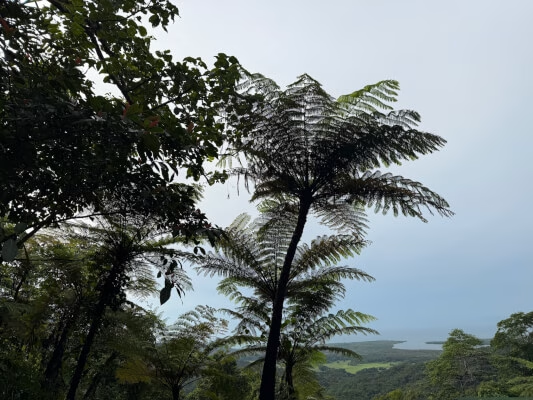
About Daintree Rainforest
The Daintree is one of the oldest tropical rainforests on Earth, estimated to be over 100 million years old. Long before tourism arrived, it was home to the Eastern Kuku Yalanji people, whose culture and knowledge of the land stretch back thousands of years.
Today the region is a protected wilderness where dense jungle, winding rivers and remarkable wildlife dominate the landscape. Visitors come for boardwalks, river cruises and the rare chance to see rainforest meeting the reef at Cape Tribulation. It feels ancient, untamed, and very different from the rest of Australia.
Credit: chatGPT
Our tour
As mentioned in our Port Douglas post, on Friday we had pre-booked a Daintree Forest tour. James, our guide, picked us up at 07.20.
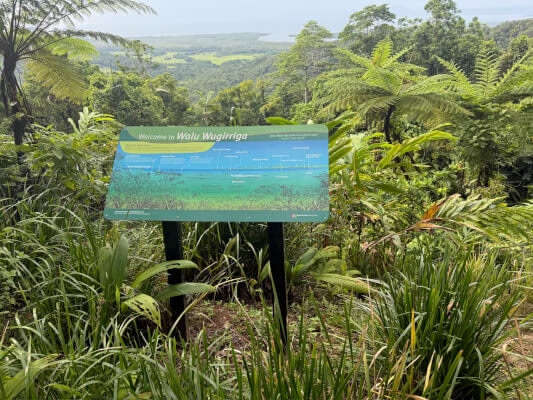
After about an hours drive we reached the Walu Wugirriga lookout point, but unfortunately the early moring mist meant that there was not much to see. We even made a stop on our return to see if things had improved, but alas it was not to be.
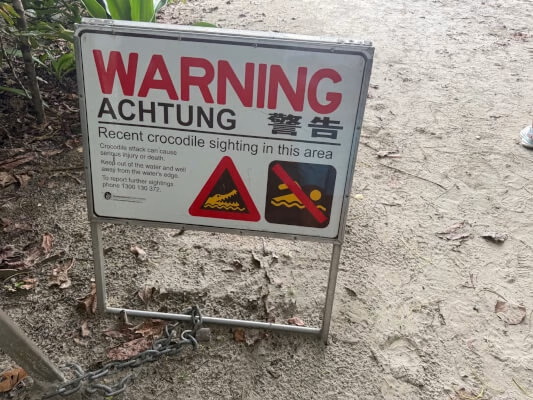
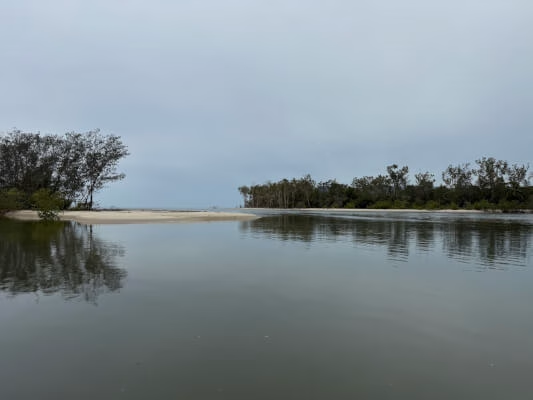
So we pressed on to our next stop Thornton Beach. Our guide, James, gave clear warnings that crocs had been sighted recently on this beach, and we needed to keep a watchful eye. In particular we should not go near the creek that runs into the ocean on this beach. Not sure if James was trying to put the frighteners on us because he left us to explore the beach while back at the van he laid out a breakfast of muffins, tim tams, fruit and refreshments! Obviously not that worried!
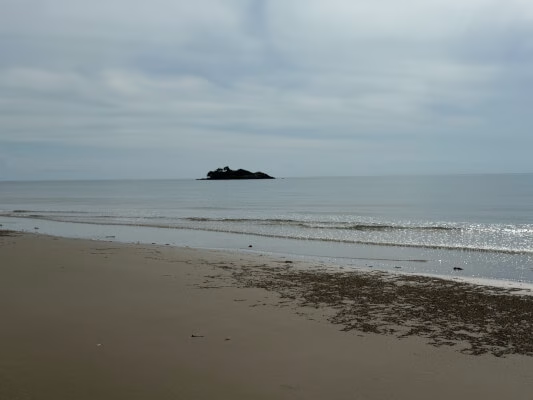
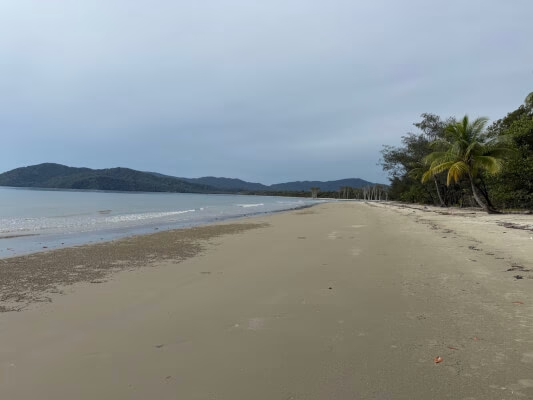
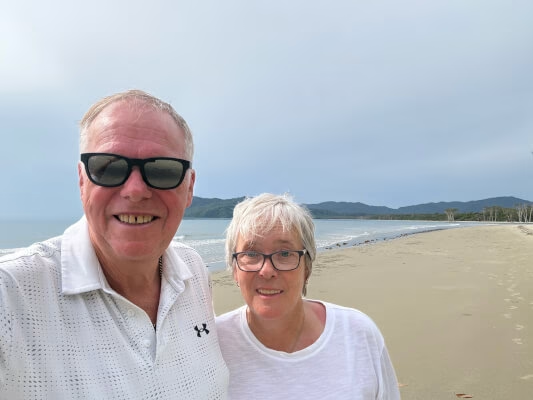
A second beach visit was made at Cape Tribulation – so named because Captain Cook sailed up here for a break and damage to his ship led to one problem after another and he ended up staying longer than anticpated. Again, dire warnings about nearby croc sightings on the beach were given.
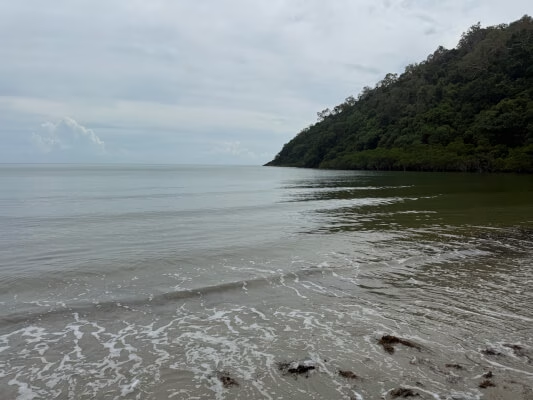
As we travelled further into the rain forest, there was an abundance of roadside creeks (eg Myall Creek), waterfalls and cascades that emphaised just how wet the forest is. The guide explained that the rain forest supplements its water by ‘cloud stripping’ whereby as the trees break through the low clouds, the moisture in the clouds condenses on to the leaves and drips down to the forest floor, creating an abundance of water.
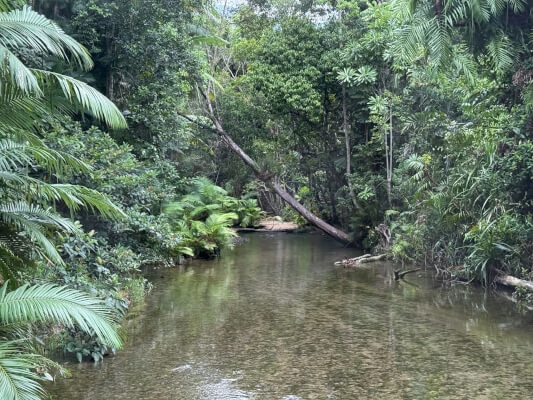
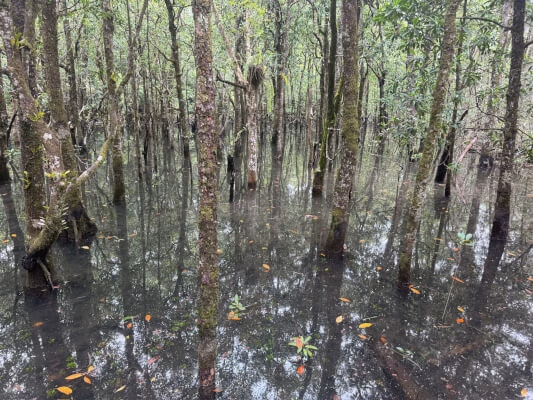
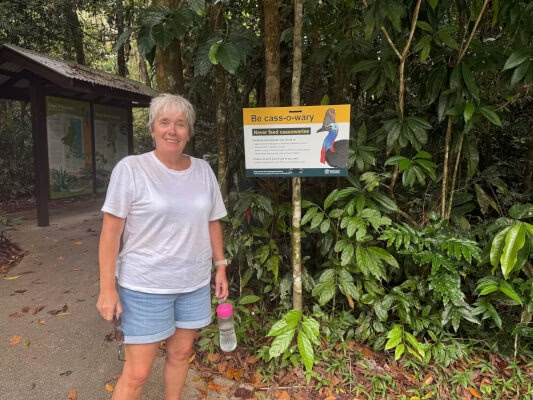
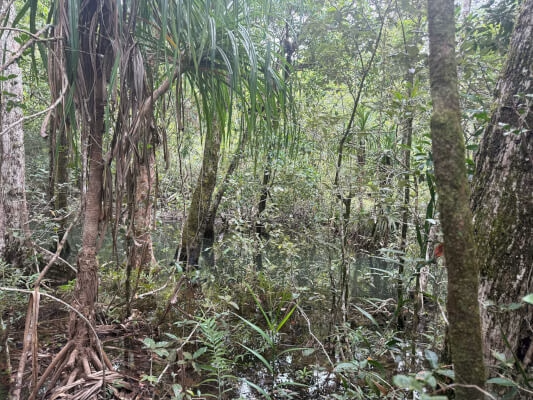
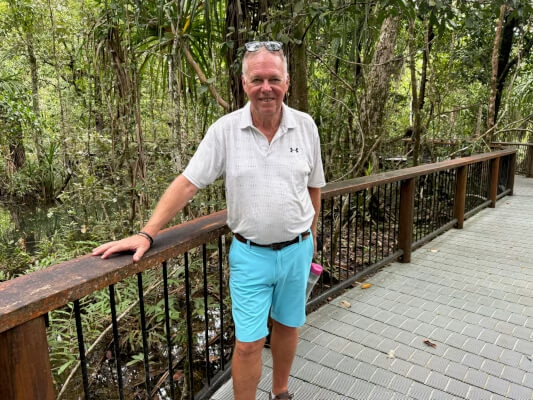
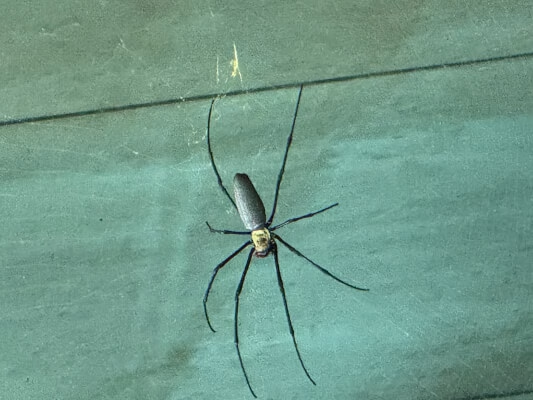
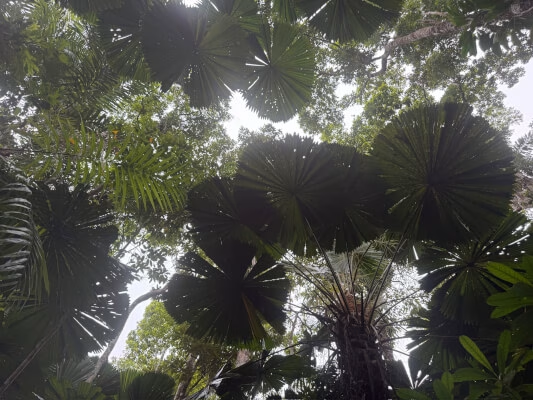
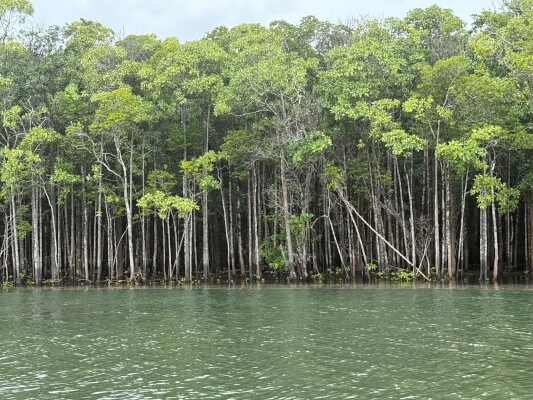
We then arrived at the Madja Boardwalk where over about 45 minutes, James pointed out a plethora of spiders (can bite); tree varieties; symbiotic relationships between trees and creepers; variations in the canopy (“look up, look up”) and, particularly interesting was the section in the mangroves, where water was about 12 – 18″ deep, but within 2 hours would be bone dry. Of course, this being Australia, we couldn’t set off without another warning about something that could kill you. In this case it was the Cassowarie, a rather odd looking bird that stands about 6 foot, with a long neck and a middle toe that can kill a person! They are described everywhere as aggressive creatures. We are not sure if it is a good thing or a bad thing that we didn’t see one.
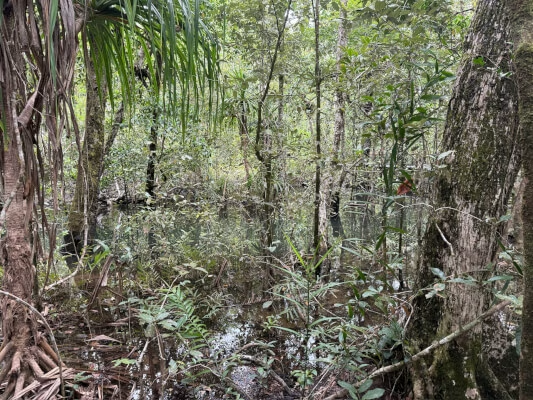
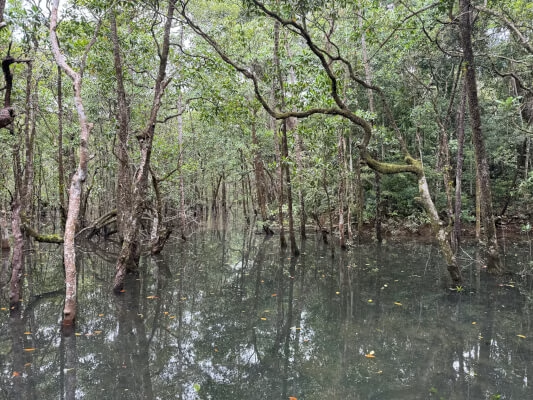
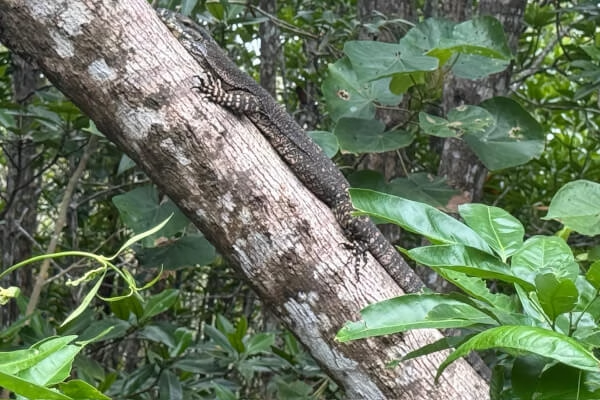
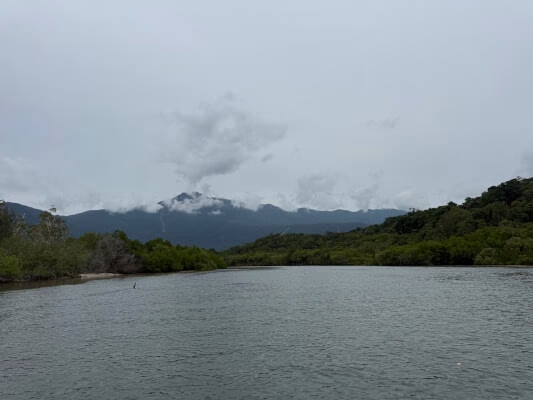
We next moved to what we hoped would be the tour highlight – a boat ride on Coppers Creek to see crocodiles. We saw none and other than being a boat ride (which we love) it was frankly a bit boring! We learned that crocs love the water at this time of the year as it is around 32C and similar to their body temperature. As a result they spend all of their time submerged, lowering their heart rate so they can spend hours like this, and literally waiting for a snack (or idiot human) to swim by. As summer turns to winter, the water temperature drops to 24C, and to keep warm the crocs will bathe in the warm sunshine on the banks. So our tip here is that if you want to see crocs in the wild, you need to come in the Australian winter. To be honest, this all felt a bit of a scam because the tour guides and the croc explorers know all of this and really provide a product that is unlikely to do what it says on the tin!
Thankfully our next stop was lunch at the Heritage Lodge. Basically a clearing in the forest with a setup that serves groups on tour buses with set meals. We both chose the Grilled Baramundi (steak being the other choice) and to be fair it was much better than we expected. After lunch, we diverted to a Fruit farm that has realised they could make more money from their fruit by turning it into weird ice creams with flavours such as jack fruit, breadfruit, durian (the smelly one), black and yellow sapote, and many more. The Signature cup provides 4 different scoops and it was all delicious.
Our final experience was at Mossman Gorge. A visitor centre has been created that is entirely run by Aborigines and any profits are ploughed back into that community. The gorge has a beautiful creek that is strewn with granite boulders that create amazing rapids, as well as inviting rock pools. With care, you are allowed to swim in the creek, and despite warnings that on our days swimming was not permitted, quite a few locals were ignoring that. Bit too fresh for us in any case, albeit Nikki did have a paddle.
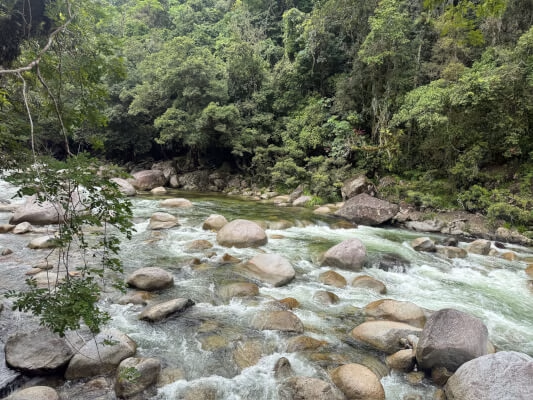
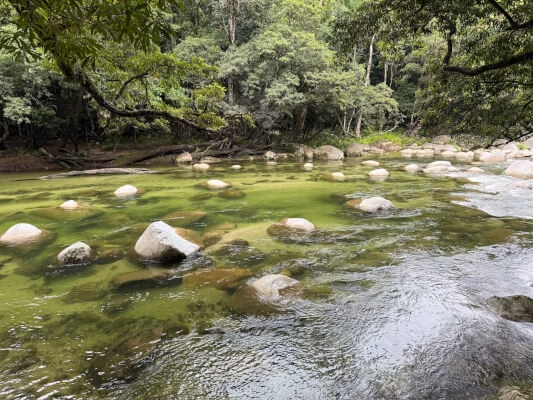
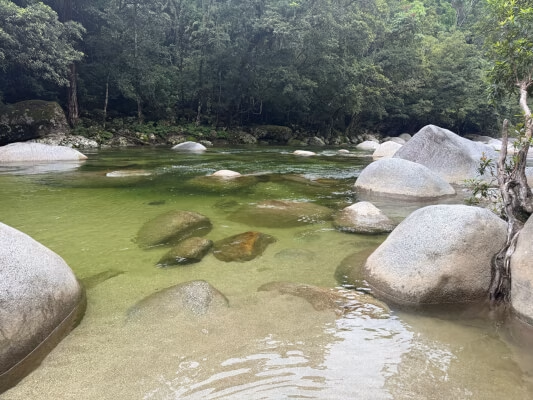
Mossman Gorge
By now we were about 9 hours into the tour, so we headed back to Port Douglas and James kindly dropped us off at the Tin Shed – see Port Douglas post. All in all we had an amazing day, were well looked after by James and, most importantly, nothing bit or killed us.